Quick Answer
OEM (Original Equipment Manufacturer) advertising is a mobile user acquisition channel that allows app marketers to promote their apps directly within a smartphone’s native operating system and device ecosystem, rather than through third-party apps or traditional ad networks.
Through Android device manufacturers such as Samsung, Xiaomi, OPPO, and Vivo, advertisers can reach users across native touchpoints like device setup, lock screens, home screens, app discovery hubs, smart folders, and other built-in experiences.
Key Benefits of OEM Advertising
- Reach users early: Engage users during device setup and onboarding when they’re actively discovering and installing apps.
- Improve conversions: Native placements create a smoother path from discovery to installation by reducing unnecessary steps.
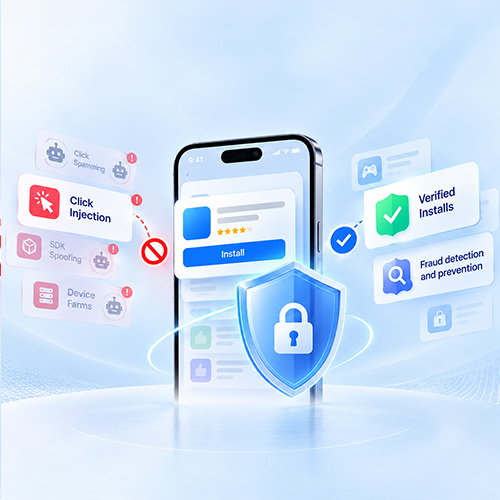
- Access trusted inventory: Direct OEM integrations offer brand-safe placements with greater transparency and reduced exposure to ad fraud.
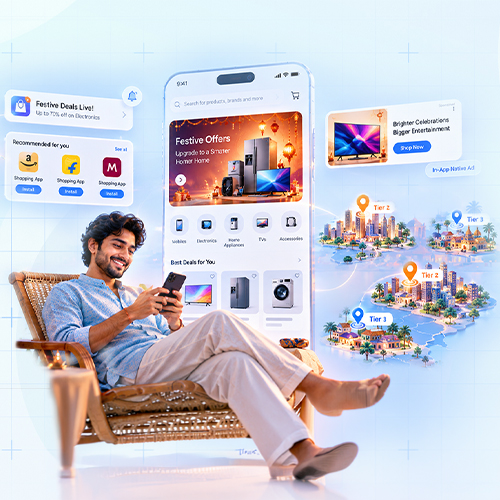
- Scale across Android markets: Reach millions of users across global and emerging android markets, making OEM advertising ideal for Gaming, E-commerce, Fintech, Food Delivery, Entertainment, and Utility apps.
Introduction
Mobile advertising continues to grow, with global spending forecast to rise through 2030. As traditional advertising channels like Meta and Google experience rising CPMs and increasing signal loss due to evolving privacy regulations, app marketers are actively exploring new acquisition channels to scale efficiently.
OEM advertising enables advertisers to reach users directly through smartphone manufacturers and their native OS environments without relying solely on traditional in-app advertising networks. By placing native campaigns on smartphones manufactured by brands such as Samsung, Xiaomi, OPPO, and vivo, app marketers can engage users at the right time and place, including device setup, home-screen interactions, and app discovery experiences.
The scale of the opportunity is significant. According to GSMA, 4.4 billion people i.e., 54% of the world’s population were using their own smartphone to access mobile internet by the end of 2024, with around 250 million new smartphone users added during the year.
What is OEM advertising?
OEM advertising lets brands promote apps directly through a smartphone’s native environment, including device setup, home screens, lock screens, app discovery hubs, and other system-level placements. This gives advertisers a way to reach users beyond traditional in-app and social ads. With Android accounting for 68.36% of the global mobile operating system market in 2026, OEM advertising is particularly relevant for brands looking to reach and acquire Android users through native device experiences.
For app marketers, OEM advertising provides another way to reach users early, drive app discovery, and diversify user acquisition beyond traditional in-app and social advertising channels.
How OEM Advertising Differs From Traditional Mobile Ad Inventory
Traditional mobile advertising depends on third-party apps serving ads through SSPs and DSPs. OEM advertising, in contrast, delivers campaigns directly within the device ecosystem through partnerships with smartphone manufacturers.
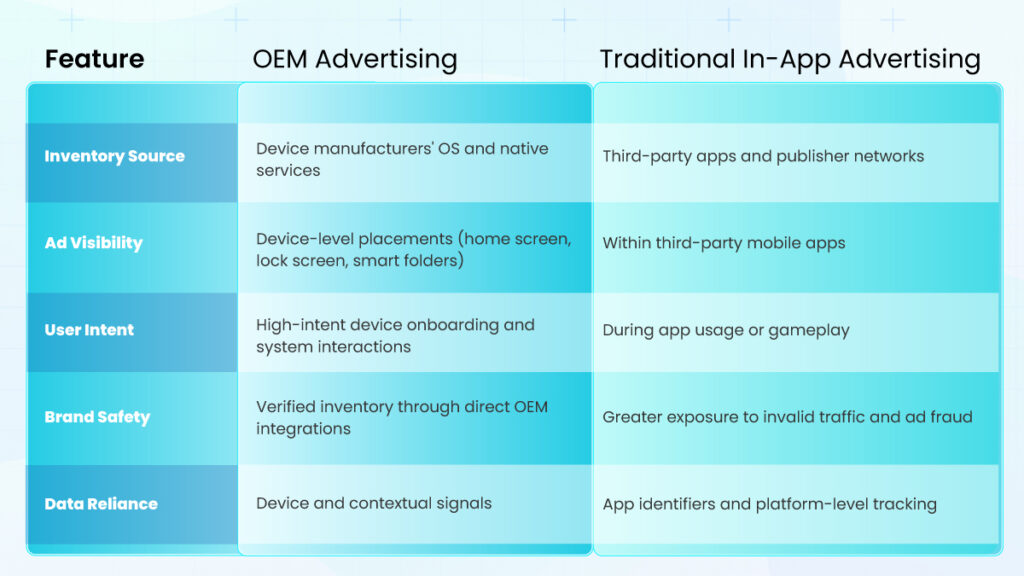
OEM Advertising with Applabs
Access to premium OEM inventory is only one part of a successful user acquisition strategy. Managing campaigns across multiple OEMs, optimizing performance, and measuring business outcomes are equally important.
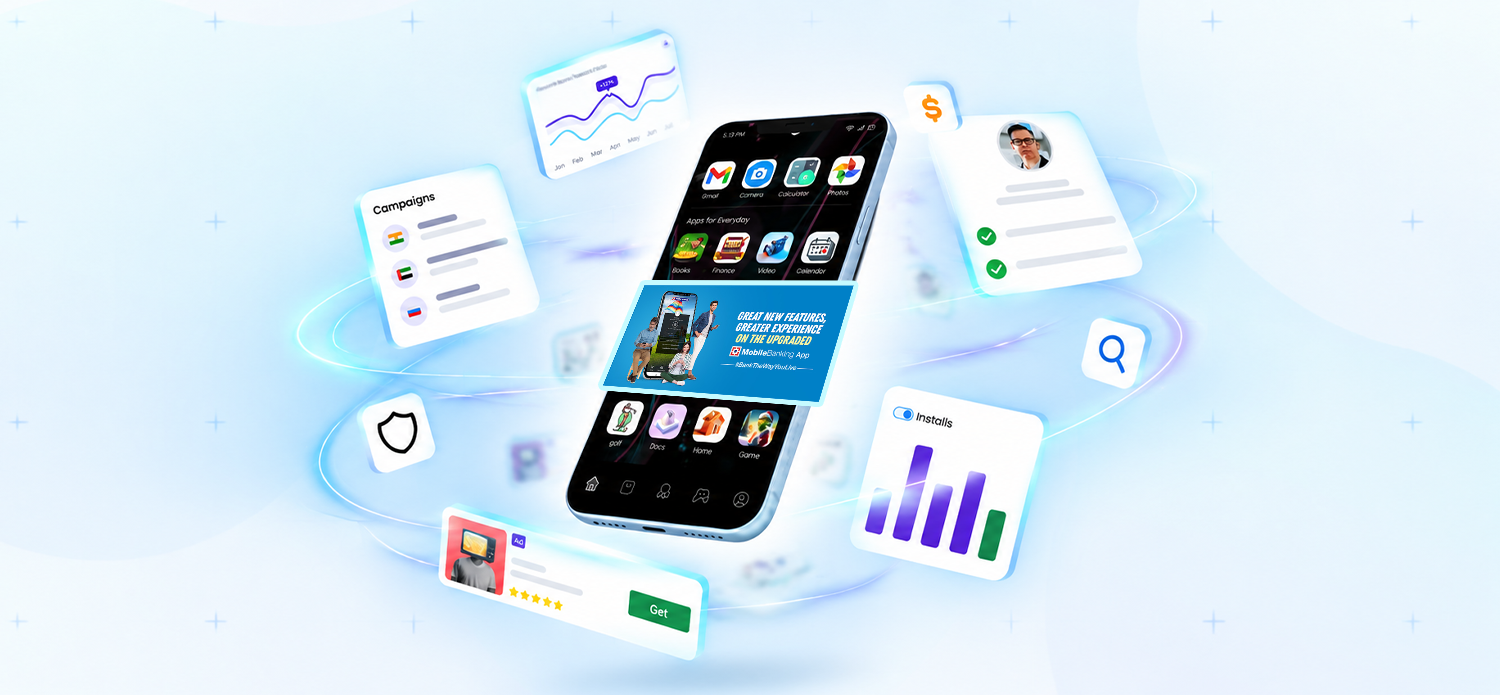
Applabs simplifies OEM advertising by providing advertisers with a single platform to access premium Android OEM inventory across multiple device manufacturers. Its omnichannel advertising ecosystem spans 10K+ Android apps, 3K+ iOS apps, 8K+ websites, and is supported by 50+ customized rich media formats. Through its App Discovery Platform, brands can launch, optimize, and scale campaigns without managing separate relationships with individual OEMs.
With Applabs, advertisers can:
- Reach users across leading Android OEM ecosystems through a unified platform.
- Access premium, brand-safe inventory from trusted device manufacturers.
- Optimize campaigns using real-time performance data and audience insights.
- Measure installs, engagement, and downstream conversion metrics.
- Scale user acquisition across emerging and global Android markets efficiently.
This unified approach enables marketers to diversify beyond traditional advertising channels while maintaining transparency, control, and measurable performance.
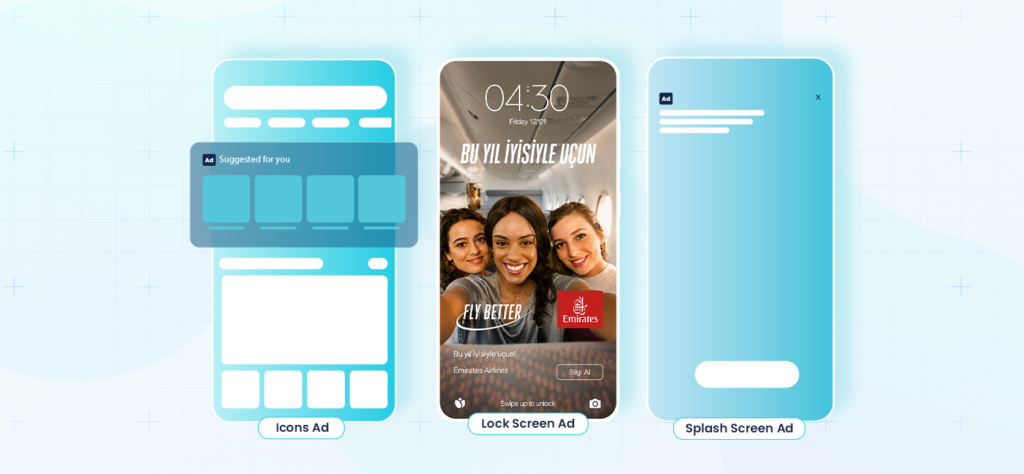
Where OEM Ads Appear on a Device (Home Screen,Lock Screen,Pre-Install Placements)
Aligned with the IAB Tech Lab’s New Ad Portfolio principles, OEM advertising emphasizes user-centric, non-intrusive, and contextually integrated ad experiences that blend naturally into the device interface without interrupting the user journey. It integrates your app directly into the smartphone experience, allowing brands to engage users before or without requiring them to browse an app store or open a third-party app. Check out our Ad Gallery to find your campaign match:
Preloads & Device Setup
Apps may be recommended or delivered during device activation, setup, or software updates, depending on the OEM’s implementation, regional policies, and user consent requirements. These placements introduce users to relevant apps early in the device lifecycle, increasing visibility and install opportunities.
Lock Screen Placements
Native lock-screen experiences deliver engaging content alongside app recommendations each time users activate their devices, creating frequent, high-visibility touchpoints.
Smart Folders & App Discovery Hubs
Many Android devices include pre-organized folders such as Games, Finance, Entertainment, or Utilities that recommend relevant apps based on device context and user interests.
Icon Ads
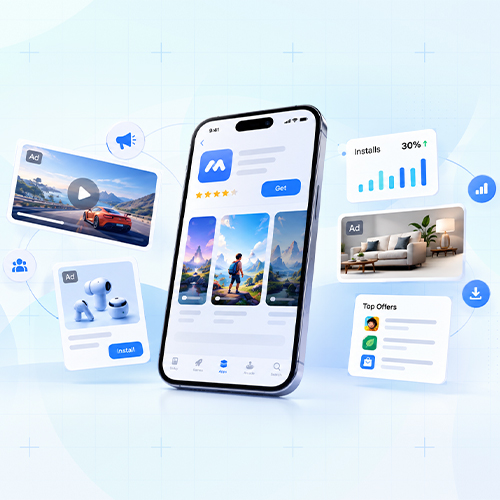
Icon ads display an app’s icon within native recommendation surfaces, search interfaces, or smart folders. Designed to blend seamlessly with the device interface, these placements provide a natural discovery experience while directing users to install the app or visit its app store listing.
Splash Screen Ads
Splash screen ads are full-screen placements displayed when users open native apps such as the File Manager, Browser, Theme Store, or Weather app. These immersive experiences provide high visibility while following established mobile advertising standards for full-screen creative formats.
As advertising becomes more interactive, assistive advertising is another emerging approach where ads can help users discover, explore, and act on products or services.
Why OEM Inventory Delivers Different Engagement Than App-Based Placements
OEM advertising offers a fundamentally different user journey by placing campaigns within the OS rather than inside third-party apps. The cross-platform and mobile advertising market is expected to see strong growth through 2030, with iOS monetization forecast to grow at a 22.38% CAGR and cross-device advertising to expand at a 21.11% CAGR.
- Reach Users Earlier: Engage users during device setup and early interactions when they are actively personalizing their new smartphones.
- Reduced Acquisition Friction: Native placements make it easier for users to move from ad discovery to app installation, reducing drop-offs.
- Exclusive Android Inventory: OEM advertising unlocks inventory unavailable through conventional in-app exchanges, helping brands diversify beyond saturated social and search channels.
- High-Quality, Verified Inventory: Direct manufacturer partnerships provide greater transparency and reduce exposure to invalid traffic.
- Global Scale: Leading Android manufacturers collectively reach hundreds of millions of users across mature and emerging markets.
- Centralized Campaign Optimization with Applabs: Instead of managing campaigns across multiple OEM partners individually, advertisers can use Applabs to launch, monitor, optimize, and measure OEM campaigns through a unified platform, improving operational efficiency and campaign performance.
Who Should Use OEM Advertising (and Who Shouldn’t)
OEM advertising is particularly effective for brands seeking scalable Android user acquisition.
Who Should Use OEM Advertising?
- Fintech & Banking Apps: Build trust and reach users through native device placements.
- E-commerce & Delivery Apps: Increase visibility for apps users are likely to install on a new device.
- Gaming Apps: Scale installs for casual, mid-core, and hyper-casual games.
- Utility & Content Apps: Grow reach for news, streaming, productivity, and other everyday apps.
Who Shouldn’t Use OEM Advertising?
- Niche B2B SaaS Apps: Enterprise-focused products with highly specific audiences are generally better served by search or professional networking platforms.
- iOS-Only Apps: OEM advertising is primarily available across the Android ecosystem.
Case Studies: OEM Advertising
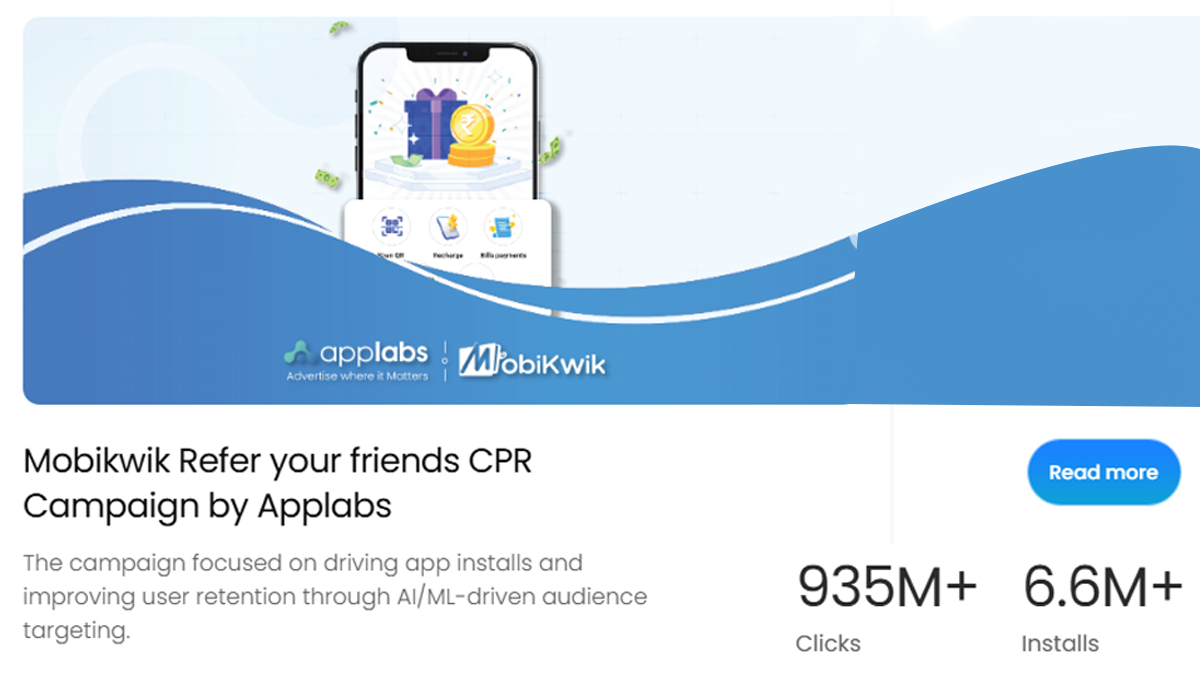
Mobikwik Refer your friends CPR Campaign
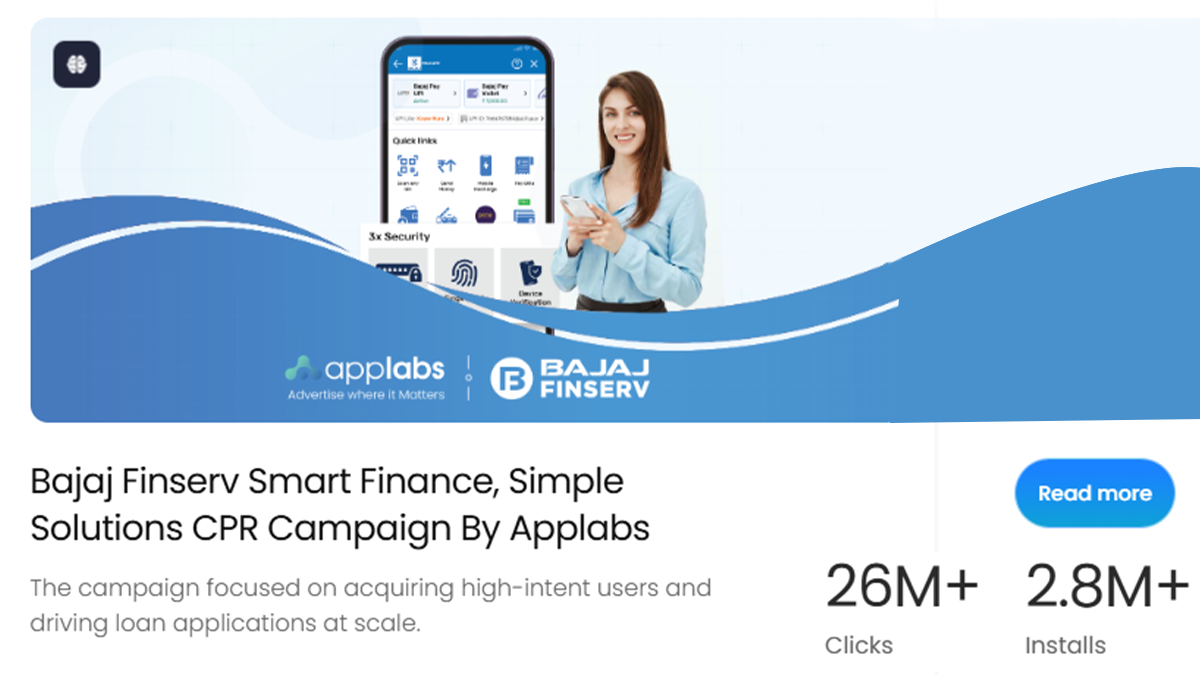
Bajaj Finserv Smart Finance, Simple Solution
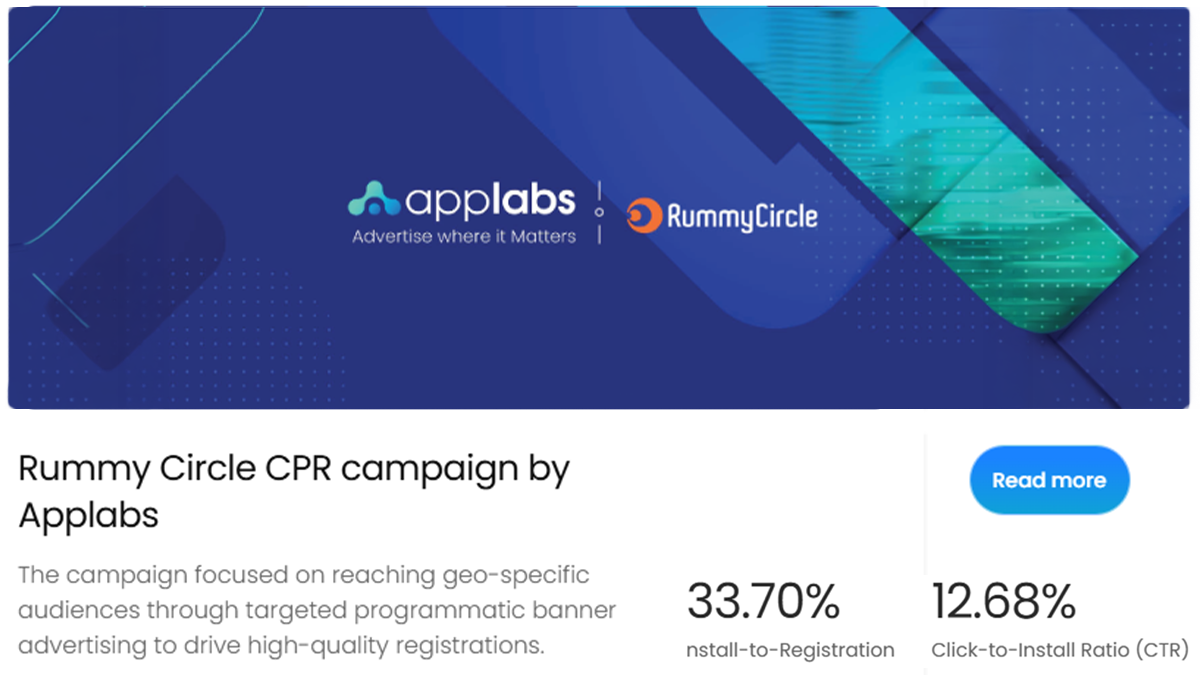
Rummy Circle CPR campaign by Applabs
FAQs: OEM Advertising
What does OEM stand for in advertising?
OEM stands for Original Equipment Manufacturer. In digital advertising, OEM advertising refers to campaigns delivered through smartphone manufacturers and their native OS environments.
Is OEM advertising the same as programmatic advertising?
No. Programmatic advertising is the automated buying and selling of digital media across multiple inventory sources. OEM advertising refers specifically to advertising inventory available through smartphone manufacturers and their native operating systems.
Many OEM inventory sources can be purchased programmatically through specialized platforms, while others are accessed through direct OEM partnerships.
Which industries benefit most from OEM advertising?
Industries with broad consumer audiences typically achieve the strongest results, including Gaming, Fintech, E-commerce, Food Delivery, Travel, Entertainment, Utilities, and Streaming services.
How does Applabs support OEM advertising?
Applabs helps advertisers activate OEM campaigns across multiple Android ecosystems through a single platform. Beyond providing access to premium inventory, Applabs offers audience targeting, real-time optimization, transparent reporting, fraud-resistant inventory, and performance measurement to help brands acquire high-quality users at scale.
What are OEM ad formats?
OEM advertising includes native placements, such as preloads and device setup placements, lock screen ads, smart folders, app discovery hubs, icon ads, and splash screen ads. The right format depends on the campaign objective, audience, and target market.
How does OEM advertising work for app installs?
OEM advertising can drive app installs by placing apps directly within the smartphone experience, such as during device setup or app discovery. One-click install options can make the path from discovery to download simpler, helping reduce drop-offs and improve install efficiency.
What is an OEM advertising platform?
An OEM advertising platform helps advertisers access, manage, and optimize campaigns across smartphone manufacturer ecosystems. Depending on the platform, it can provide access to OEM inventory, audience targeting, campaign management, optimization, and performance reporting.
Scale OEM Advertising with Applabs
Ready to unlock premium OEM inventory? Contact the Applabs team to discover how our App Discovery Platform can help you reach millions of high-intent Android users across leading device manufacturers.