Microdrama has quickly become one of the fastest-growing categories in mobile entertainment. Short episodes, vertical video, and cliffhangers keep viewers coming back, turning the format into a global mobile entertainment category. In Q1 2026, short drama apps generated more than 850 million downloads globally, up 140% YoY. Daily time spent also reached around 25 min globally, approaching 40 min in Southeast Asia. At the same time, competition for those viewers is intensifying.
For microdrama apps, however, the goal isn’t simply to generate more installs. The real opportunity is to acquire users who watch more episodes, spend more time in the app, return regularly, and ultimately monetize. That changes the role of media buying: from driving installs at the lowest possible cost to identifying and scaling the sources that deliver higher-quality users.
Shift From CPI to Quality Users
A campaign generating a lower CPI isn’t necessarily the best campaign. Instead of optimizing only toward installs, micro drama campaigns can be evaluated against a progression of post-install engagement events:
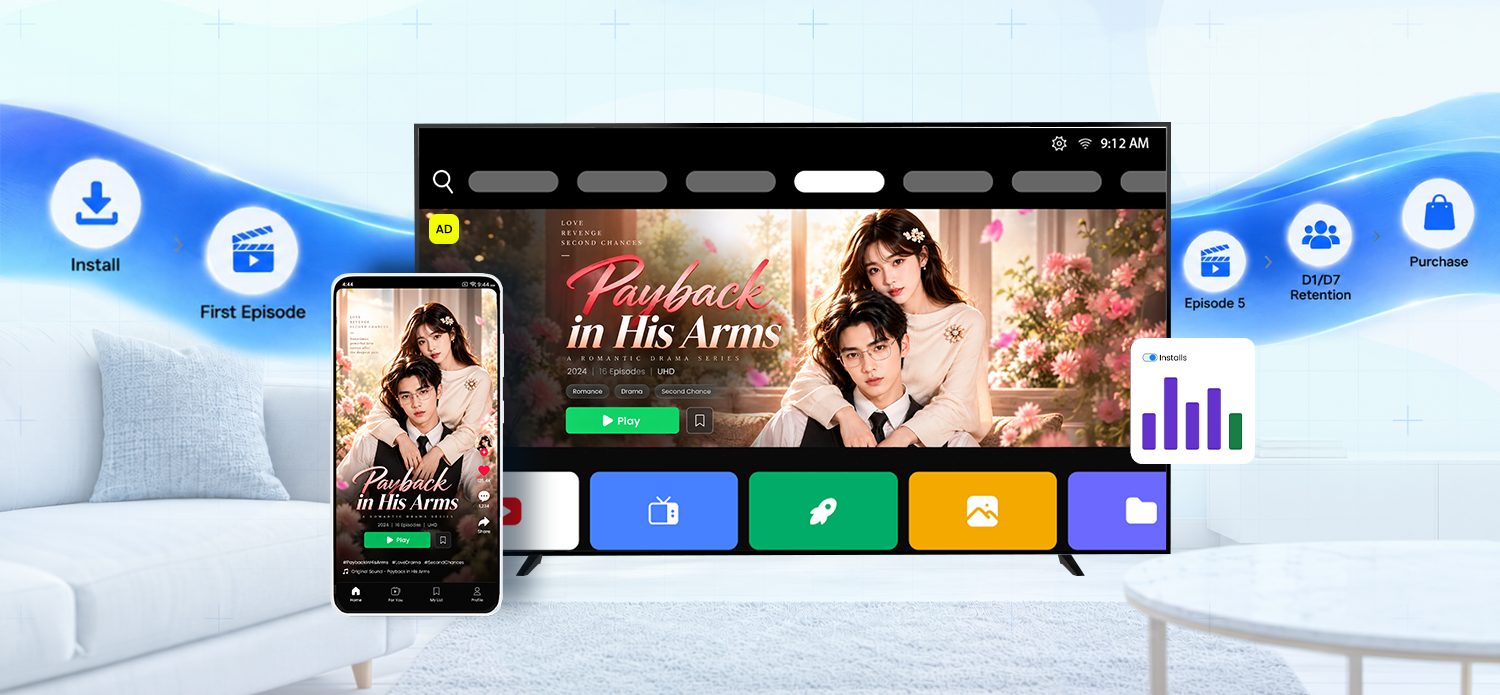
Install → First Episode → Episode 3 → Episode 5 → 10/30+ Minutes Watched → D1/D7 Retention → Purchase
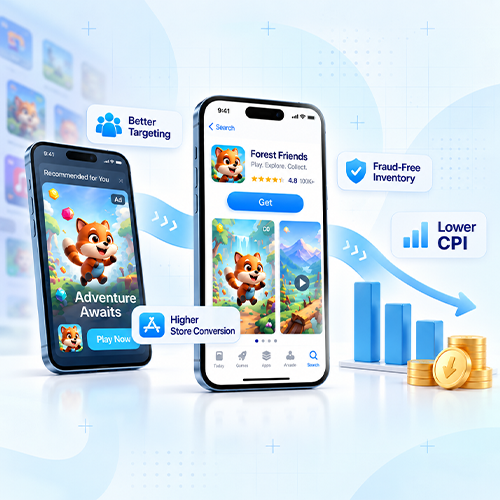
This creates a more complete picture of user quality. A source that delivers slightly more expensive installs but produces longer viewing sessions or stronger D7 retention may ultimately be more valuable than a source delivering cheaper but less engaged users. The same approach can be applied across publishers, audiences, devices, and creatives to identify the combinations that drive deeper content consumption. Metrics such as 10- or 30-min viewers, episode completion, and D1/D7 retention can become more meaningful performance indicators alongside CPI.
Find Your Microdrama App Audience
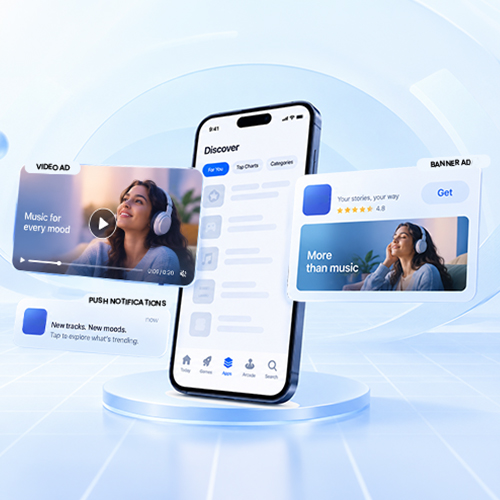
A microdrama app can have a compelling content library, but its potential audience isn’t limited to people who already know the app exists. The challenge is finding those potential viewers across the wider digital ecosystem and understanding which of them are most likely to become engaged users. Applabs can combine OEM, in-app, rewarded video, contextual, and CTV inventory to provide incremental acquisition beyond traditional social channels.
For microdrama apps, this matters because audience preferences can vary significantly by market. Genre, language, characters, and storytelling styles that resonate with one audience may not have the same impact elsewhere. Contextual signals can help advertisers reach users already consuming relevant entertainment, gaming, lifestyle, or romance content, while campaign data can reveal which publishers, audiences, and devices are producing users who actually engage with the content.
Build the Story Around a Campaign Objective
Microdrama apps have one advantage that many other app categories don’t: their content is already built to create curiosity. Applabs’ Rich Media Studio can turn these story assets into customized, mobile-first ad experiences rather than simply repurposing an episode.
For example, a cliffhanger can become an interactive Rich Media ad that ends just before the reveal, prompting viewers to tap to see what happens next. The next scene can play within the ad, followed by a clear “Continue the Story” CTA that takes users to the app.
The Right Media Mix for Scale
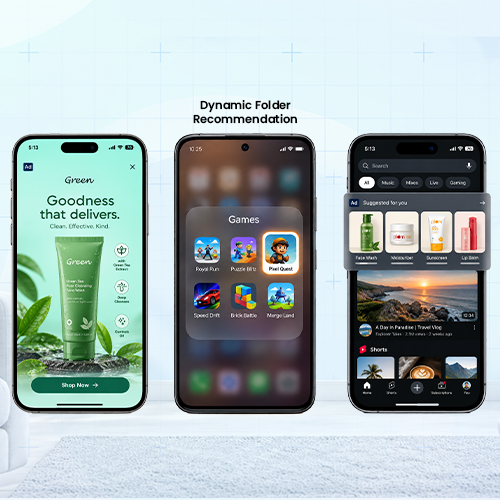
For microdrama apps, scale is important, but distribution should be built around the full user journey. A balanced media mix can combine mobile web, in-app inventory, OEM placements, rewarded video, contextual environments, and programmatic buying to create incremental acquisition opportunities. Rich media can add an interactive layer, while campaign optimization can help identify the environments that produce stronger post-install engagement.
Just as important is the quality of that reach. By combining premium inventory with sophisticated targeting, brand safety, and greater campaign transparency, Applabs helps microdrama apps test and optimize across audiences, publishers, devices, and creative executions while maintaining greater control over where campaigns appear and how performance is measured.
CTV → Mobile: Connecting Two Distinct Viewing Environments
That divergence creates an opportunity for advertisers to think beyond a single-screen acquisition strategy. Instead of treating CTV and mobile as competing environments, brands can use CTV to introduce microdrama content in a high-attention viewing context and then extend the campaign to mobile, where the format is naturally consumed.
Applabs’ CTV and household-sync capabilities can help connect these environments, allowing advertisers to build a cross-screen journey from content discovery on CTV to app engagement on mobile. For microdrama platforms, this can create an additional route to introduce their stories to audiences who may not yet be actively searching for short-form content, while using mobile to drive app discovery, installs, and continued viewing.
The Next Advantage for Microdrama Apps Is Smarter Distribution
The ultimate goal for a microdrama app isn’t simply to be seen or acquire users at scale. It is to acquire viewers who watch, return, and monetize. Applabs brings programmatic omnichannel capabilities, including contextual audience targeting and real-time performance measurement, to help microdrama apps acquire the right audiences and optimize campaigns toward meaningful outcomes.
That positions Applabs not simply as another UA channel, but as a microdrama growth partner across the complete user journey. As the category grows, so will competition for viewers, and the advantage will come from understanding which audiences, environments, and creatives deliver users who do more than install.
Written by Sanjeev Bankira, Country Head Applabs