Halloween is a major seasonal shopping opportunity across the US and UK, spanning costumes, makeup, home décor, candy and party essentials. The National Retail Federation (NRF) expects Halloween spending in the US to reach $13.5 billion in 2026. But while the season brings shoppers together, their purchase readiness varies. Some are still exploring ideas, while others are comparing prices or making last-minute purchases.
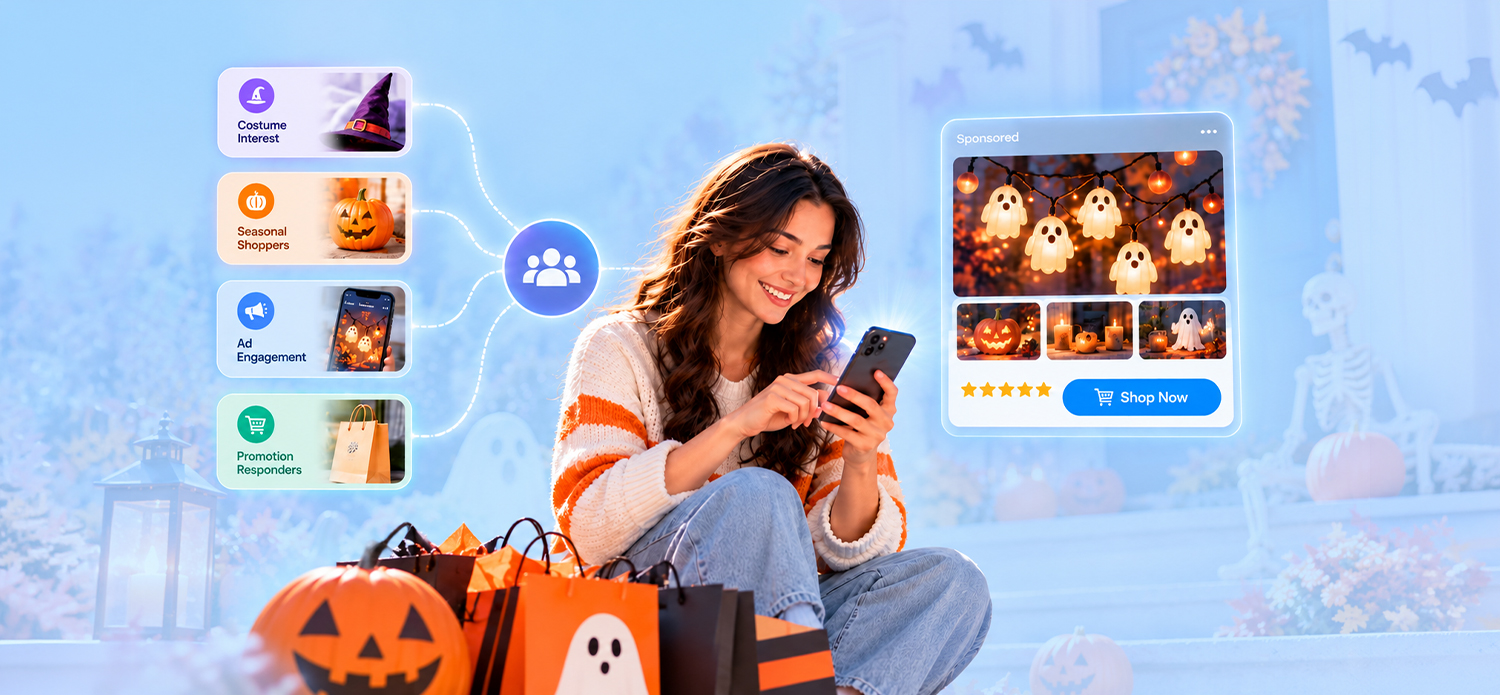
Audience layering helps advertisers act on these differences. By combining relevant signals such as category interests, previous ad engagement and responses to promotions, advertisers can build more focused audience segments and align their targeting and creative with different shopping needs. With Applabs, brands can activate relevant segments across supported digital inventory, including mobile, web and CTV, and evaluate campaign outcomes against their objectives.
Understand What Matters to Halloween Shoppers
Halloween shopping is shaped by different needs and sources of inspiration. A PwC US consumer poll found that social media influences Halloween plans for 43% of Gen Z respondents and 30% of millennials, while 45% of adults said friends and family influence their Halloween purchases.
For advertisers, these findings offer context for planning relevant campaigns. Costume and makeup retailers could focus on costume inspiration and product ranges, home décor brands on decorations and party preparation, and food brands on treats and seasonal bundles. Where available, category interests and engagement with ads or promotions can help refine targeting, rather than relying on assumptions about an entire demographic.
How Audience Layering Makes Halloween Targeting More Precise
Halloween spending spans several product categories. The NRF forecasts $4.4 billion in costume spending, $4.3 billion on decorations and $4.1 billion on candy in the US in 2026. These different needs give advertisers an opportunity to align audience selection with the products and actions their campaigns are designed to support.
A practical audience-layering approach can consider five elements:

With Applabs, advertisers can connect audience insights to campaign activation across supported digital inventory. The goal is to use each layer for a clear purpose, preserve sufficient reach, and measure whether the campaign is delivering against its objectives.
Match Creative and Media to Last-Minute Shopping Intent
As Halloween approaches, the time available to influence purchase decisions becomes shorter. Creative and media choices should reflect the action an advertiser wants to encourage, alongside the audience signals and inventory available.
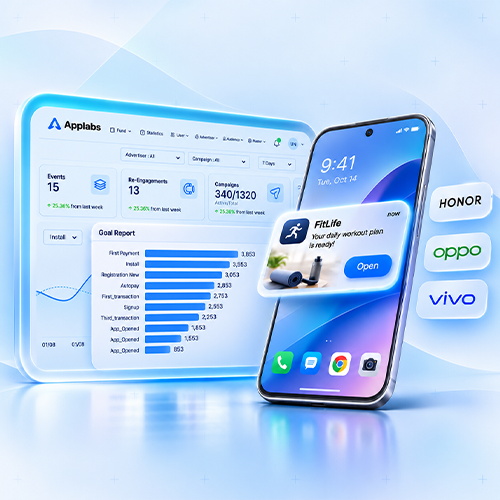
OEM placements, such as icon ads and splash-screen formats, can help brands gain visibility within supported device environments. In-app formats, including native, banner, video and carousel ads, offer different ways to showcase products and promotions. On the web, display and rich media formats can support product discovery and direct shoppers to relevant landing pages.
Applabs’ App Discovery Platform outlines its OEM and in-app advertising capabilities, while Rich Media Studio supports interactive creative experiences. Format selection should follow the campaign objective and available targeting signals, rather than being treated as proof of purchase intent.
Make Every Layer Count
As Halloween approaches, effective campaign planning comes down to three decisions: which audience signals matter, what action the creative should encourage, and which placements can support that objective.
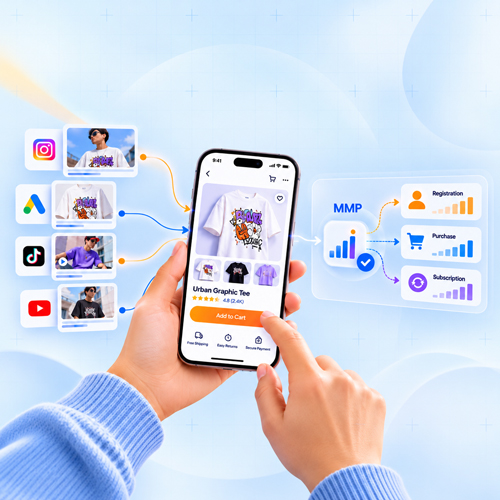
Audience layering provides a structured way to connect those decisions. With Applabs’ audience targeting capabilities and supported OEM, in-app and web inventory, advertisers can align campaign activation with relevant shopping needs and evaluate outcomes through metrics such as engagement, conversions and acquisition costs.
The principle is simple: every audience layer should have a purpose. Use relevant signals, deliver useful creative and measure what happens next.
Written by Sanjeev Bankira, Country Head, Applabs