India’s festive season is a period of massive digital traffic that peaks near Diwali, complemented by major shopping events such as the Great Indian Festival and Big Billion Days. Recent reports project that festive e-commerce sales will surpass ₹1.2 lakh crore in 2025, marking close to 20% year-on-year growth, with smartphones, large appliances, and fashion continuing to lead. Digital advertising is expected to account for over 55% of festive marketing spends, driven by Connected TV (CTV), programmatic video, and immersive mobile-first formats. For advertisers, this is the time to engineer campaigns that can extract measurable lift from the most competitive window of the year.
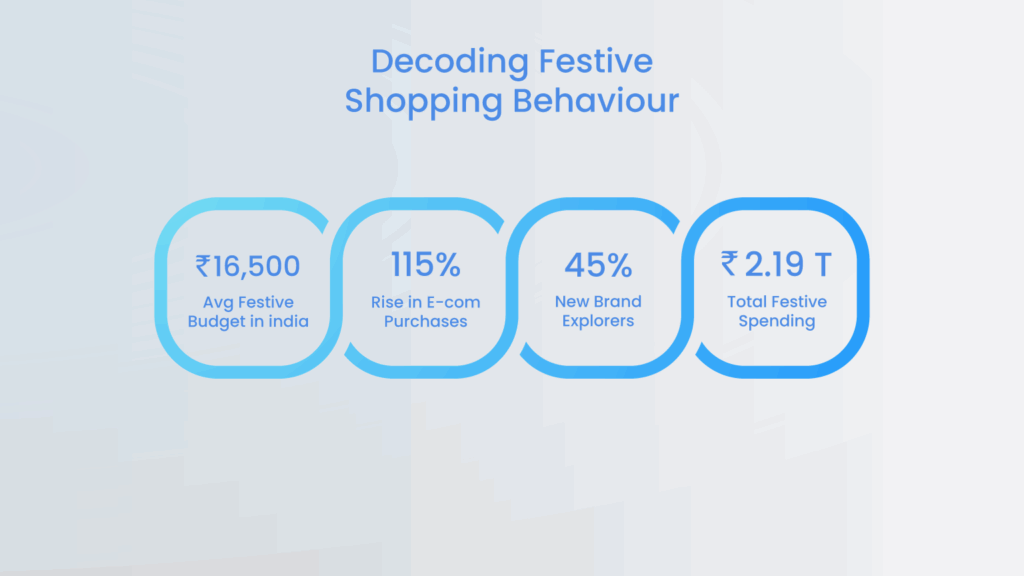
Source* Economictimes, Economictimes2, Indianstartuptimes
Consumers in India begin their research weeks in advance, comparing prices across marketplaces and shortlisting products before they make the final purchase closer to the big sale days. This shift in behaviour makes it crucial for brands to maintain continuity in presence across the consumer journey, rather than betting everything on a single burst campaign. For instance, a smartphone brand is launching its festive offers during the Great Indian Festival. With a unified ad tech suite, the campaign could begin with awareness on CTV to showcase the product with video ads, then shift to rich media banners on OEM lock screens for mid-funnel engagement, where users can explore festive offers directly from their phone screens, and finally drive conversions through shoppable ads on programmatic exchanges that enable a one-click path to purchase. Each channel works in sync, ensuring the brand stays visible from the moment consumers start browsing to the final checkout click.
Moreover, the festive purchase decisions are influenced by social proof, availability, delivery timelines, and the relevance of ad experiences. Ads that mirror consumer context, whether through language, format, or timing, have a stronger impact on buying intent.
Building Festive Momentum
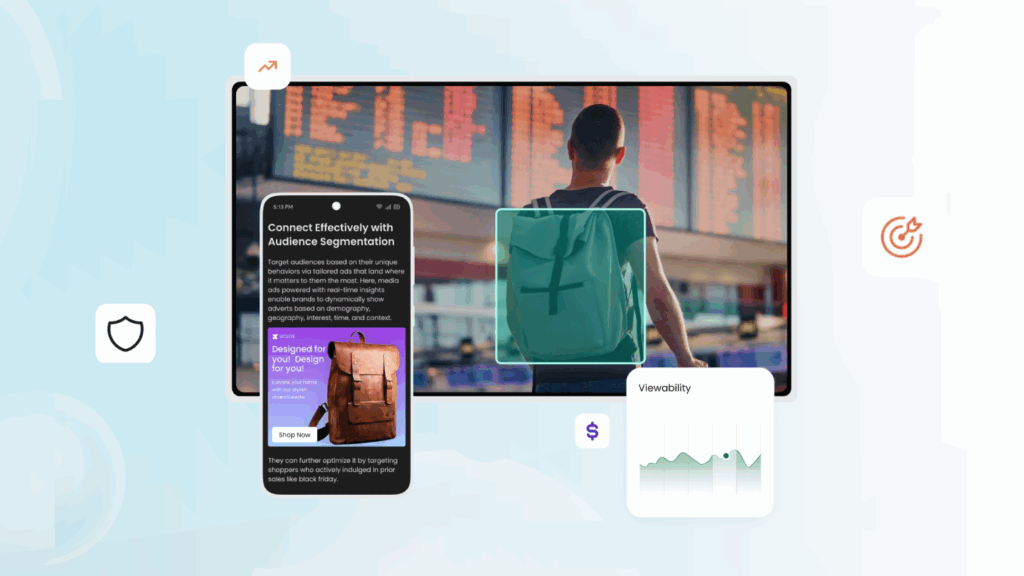
Consumers may browse three to four times before transacting, often across devices, which means brands that fail to build an early share of voice (SOV) risk losing share of wallet (SOW) when intent peaks. Advertisers who deploy programmatic prospecting in pre-festive weeks and layer it with frequency-managed retargeting during sale days consistently see higher conversion lift compared to late entrants.
Also, the consumer path-to-purchase during festivals is deeply multi-screen: discovery on mobile, validation on social, and purchase often influenced by family viewing on CTV. This is where addressable CTV inventory is creating breakthrough opportunities. With CTV penetration in India projected to cross 50 million households by 2025, festive campaigns can no longer afford to treat television as a generic reach channel. Shoppable overlays, dynamic QR integrations, and incremental reach measurement through unified IDs ensure that CTV delivers both brand storytelling and conversion outcomes in the same environment.
With retail giants setting benchmarks for sales volumes and consumer attention, the competitive environment is fierce. Here, brands that activate early, sustain multi-screen visibility, and measure every impression against performance metrics would most likely gain momentum that extends well beyond the festive window.
The Role of OEM Ecosystems and Rich Media
Moreover, OEM ecosystems are emerging as high-frequency festive touchpoints, where lock screen takeovers and app store placements deliver 100% share of attention during high-traffic periods. Meanwhile, rich media formats like gamified creatives, festive AR try-ons, and interactive carousels drive higher dwell time and engagement rates, providing a differentiated way to cut through the noise of discount-heavy messaging. These formats, powered by dynamic creative optimization (DCO), allow real-time personalization of offers and festive storytelling to resonate with what consumer wants.
Check out the Rich Media Formats: https://applabs.ai/creative-hub/
Real-Time Optimization and Supply Path Efficiency
Also, considering the volatility of festive demand, static campaign setups are ineffective to handle price wars between platforms, SKU-level stock-outs, and shifting consumer cohorts require real-time bid optimization (RTB) that recalibrates spend based on live intent signals. Coupled with supply path optimization (SPO), brands can secure premium festive inventory to maintain higher viewability and attention scores.
This approach helps brands maximize campaign results during the festive season by reaching consumers when and where they are most likely to engage, and ensuring their products remain top-of-mind even amid high competition. By dynamically adjusting bids and streamlining the supply chain, brands can respond to market fluctuations instantly and capture high-intent audiences.
The Opportunity Ahead
Diwali and the adjacent sales period represent a marketplace of over 150 million online shoppers, with average order values spiking by nearly 40% compared to non-festive months (RedSeer). Digital media consumption also surges, with connected TV viewership rising sharply during family co-viewing hours. These signals underline the importance of precision targeting, creative agility, and channel diversity for advertisers and brands alike to prosper in this market.
To conclude, with so many opportunities during the festive season, brands that plan early, use unified platforms, and leverage innovation effectively are best positioned to make the most of it. By combining targeting, frequency-driven retargeting, and measurable campaign outcomes, they can turn festive opportunities into lasting brand momentum that carries into the new year.
Written By Sanjeev Bankira, Country Head Applabs, India & MENA