The FIFA World Cup is just one chapter! Football fandom extends far beyond it. Within days, attention shifts to club competitions like the Premier League, Bundesliga, La Liga, Serie A, the UEFA Champions League, and domestic cup championships. For advertisers, this breaks the barrier of a standalone FIFA campaign since fans continue discovering content, following clubs, watching highlights, and engaging across multiple digital touchpoints.
It is a continuous ecosystem of leagues, matchdays, highlights, player news, fantasy leagues, and social conversations that keep fans connected every day. This is especially evident across the UAE, where football remains the region’s most-followed sport. According to YouGov’s Global Sports Media Landscape, 89% of consumers in the UAE actively engage with sports content, with football leading viewership across digital platforms.
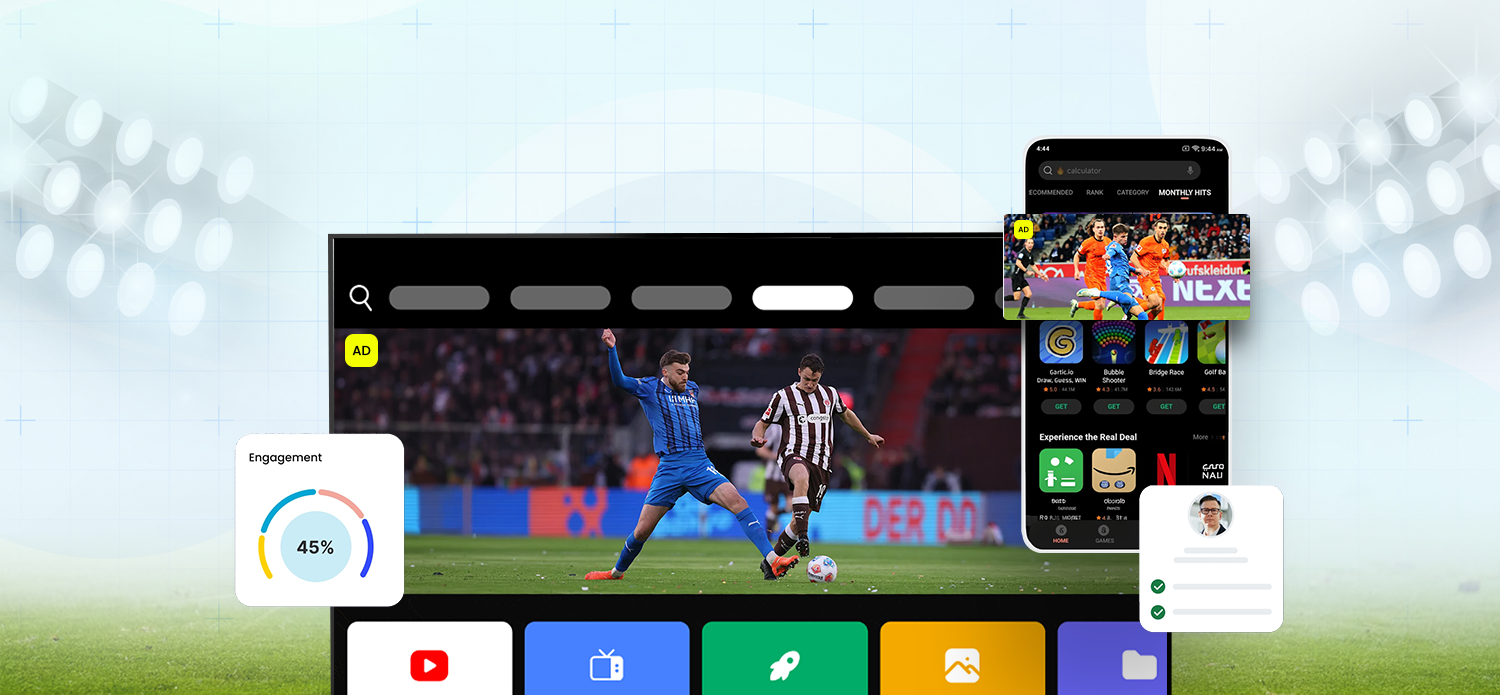
For example, a fan might watch a live match on CTV, check stats on a mobile app during halftime, scroll through post-match analysis on social media, and watch highlights later that evening. Every interaction creates another opportunity for brands to stay relevant, but only if campaigns can move with the audience.
Even more, 58% of sports streaming subscribers in the UAE primarily watch football, while sports consumption extends across multiple channels, including social media (40%), live television (36%), and online streaming (35%). They move seamlessly between devices and platforms throughout the week, creating multiple opportunities for brands to stay visible.
The challenge is that many campaigns don’t. Budgets are heavily invested before the championship, peak during the competition, and disappear once the final whistle blows. Meanwhile, the same audience continues consuming football content every week. Restarting campaigns for every championship leads to inefficiencies and risks losing momentum with highly engaged audiences.
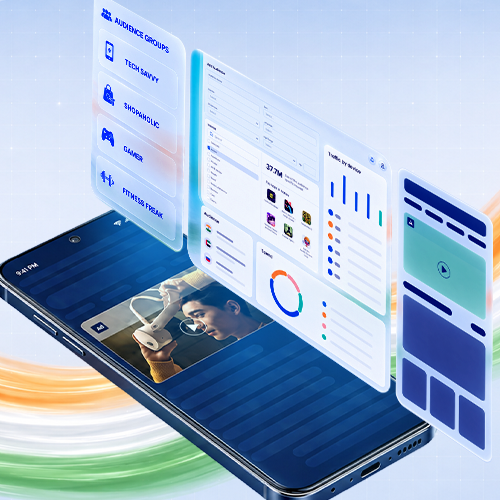
A smarter approach is to let campaigns evolve alongside fan behaviour. Instead of rebuilding audience segments every few months, AI-powered audience intelligence can continuously identify high-intent football audiences using real-time signals such as content consumption, viewing behaviour, device usage, location, contextual interests, and engagement patterns. As audience interests shift from international championships to domestic leagues and club competitions, campaigns automatically adapt without losing relevance.
Creative can evolve in the same way. Someone who watches matches on CTV can later be reached with interactive rich media on mobile. Fans browsing football news can receive contextually aligned messages across premium websites and apps, while campaign delivery continuously optimises towards the audiences and placements generating the strongest engagement. Rather than relying on fixed audience lists or static creatives, ads become more responsive to how fans actually consume the sport.
This also makes omnichannel advertising more effective. Instead of treating CTV, mobile, web, and rich media as separate channels, they work together as part of a single customer journey. Consistent messaging across every screen helps reinforce brand recall while AI continuously allocates budget toward the placements delivering the best performance. The result is a campaign that keeps pace with the football calendar instead of stopping when one championship ends.
To conclude, the biggest opportunity isn’t simply advertising during football’s biggest event. It’s recognising that football is one of the few entertainment ecosystems that keeps audiences engaged all year. Brands that build campaigns around this continuous journey are better positioned to maintain visibility, improve efficiency, and create more meaningful engagement long after the trophy has been lifted.
Ready to build football campaigns that stay relevant beyond the final whistle?
Advertiser Where It Matters – Applabs
Written by Sanjeev Bankira, Country Head Applabs, India & MENA