Quick Answer
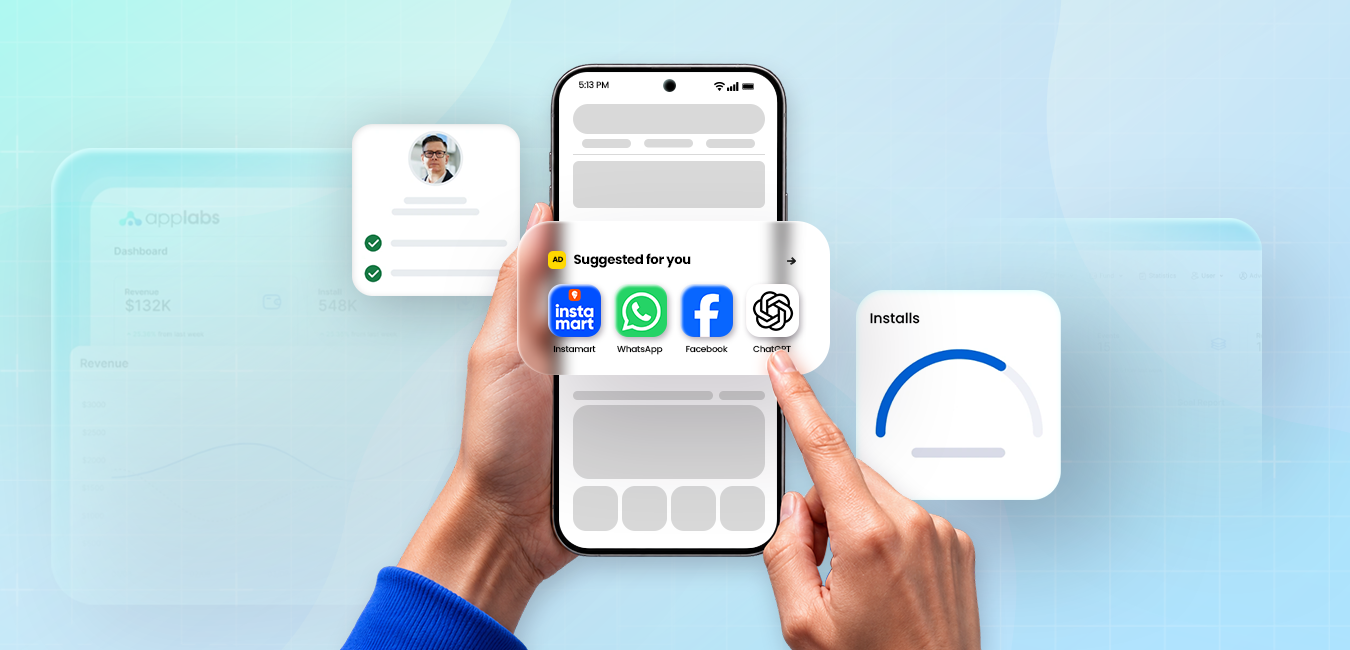
App discovery is the process through which users encounter, explore, and ultimately install mobile apps across channels such as app store search, OEM recommendations, device-level placements, in-app environments, social referrals, and word of mouth.
While App Store Optimization (ASO) focuses primarily on improving an app’s visibility and conversion within app stores, broader app discovery extends beyond the store to the other digital and device environments where users spend time.
For app publishers and growth teams, the goal is not simply to generate installs. Effective discovery connects the right users with the right apps and can support the journey from discovery to install, activation, retention, and ultimately ROAS.
Introduction
With millions of apps competing for attention across major app stores, simply having an app available for download is no longer enough. The bigger challenge is getting it in front of users who are likely to notice it, install it, and keep using it. That is where app discovery comes in.
App discovery goes beyond someone typing a query into an app store. A user might find an app through a search result, a recommendation on their smartphone, a native placement inside another app, a social referral, or a device-level experience during setup or everyday use. The difference matters because users do not always begin their app journey with a search. Sometimes, the discovery happens first and the intent follows.
Why Do Most Apps Never Get Found Organically?
The modern app ecosystem suffers from an acute inventory problem. Users may have dozens of apps installed, but their daily activity is concentrated among a much smaller group. A 2026 Clutch survey found that while 64% of smartphone users have between 10 and 50 apps installed, 46% use only 5 to 10 apps on a typical day. This creates a gap between being available and being discovered. For app marketers, that gap creates several challenges:
- Category Concentration: Search algorithms on major stores naturally favor legacy incumbents with massive download velocity, high review counts, and established user retention signals.
- Rising CAC: Traditional paid social channels (like Meta and TikTok) have seen escalating CPMs and reduced tracking granularity, making non-channel user discovery essential for sustainable unit economics.
To overcome this hurdle, mobile growth leaders must understand the specific channels through which modern mobile users actually find and install apps.
The Channels That Drive App Discovery Today
App discovery is rarely a single-channel journey. Users can encounter an app through several different touchpoints, depending on what they are doing and where they are in their decision-making process.

App Store Search & Charts
App Store Search remains one of the highest-intent discovery mechanisms. When a user types “budget tracker” or “photo editor” into the search bar, they are demonstrating clear commercial intent.
- Keyword Search: Over 65% of downloads originate directly from a search query inside the app store.
- Featured Placements & Top Charts: According to Google Play Developer Documentation, getting featured on the Play Store homepage or topping regional category charts provides a dramatic spike in organic impressions.
App Store Optimization (ASO) vs. App Discovery
It is significant to distinguish between ASO and comprehensive app discovery:

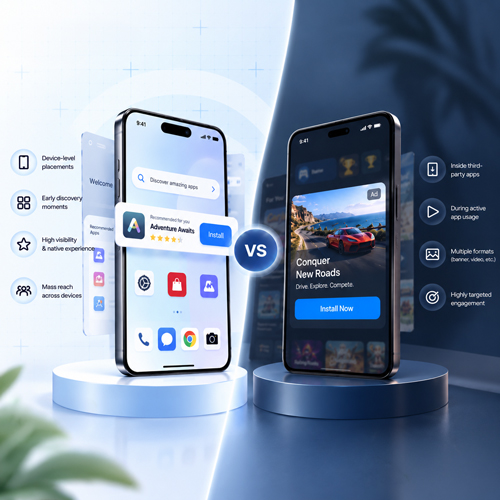
Paid OEM and In-App Placements
As app store search becomes increasingly competitive, direct-to-device and native placement channels have emerged as massive growth drivers.
- OEM & On-Device Discovery: OEMs like Samsung, Xiaomi, and Oppo provide native discovery experiences directly on the device hardware. Examples include device setup wizards, smart folders, and native app recommenders.
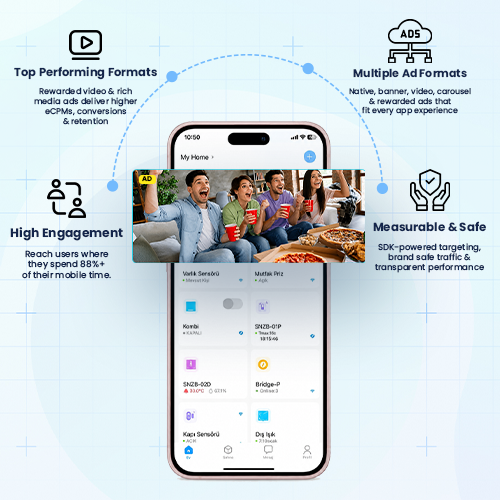
- In-App Placements & Native Recommendations: Placing rewarded native recommendations within complementary non-competing apps introduces your product to engaged users while they are actively interacting with their mobile devices.
One of the biggest shifts in mobile acquisition is the move from store-level discovery to device-level discovery. OEM advertising enables brands to reach users through native smartphone environments such as device setup, home screens, lock screens, smart folders, and app discovery hubs.
Word of Mouth and Social Referral
Viral loops, peer recommendations, and social proof remain powerful triggers for LTV users.
- YouTube Advertising: Contextually relevant ad placements on YouTube can build awareness by reaching audiences while they engage with content related to the brand or product.
- In-App Referral Incentives: User-get-user mechanisms (e.g., “Invite a friend and get 1,000 bonus points”) turn existing power users into active acquisition nodes.
But unlike paid discovery, these channels are harder for marketers to control at scale. That is why app growth strategies increasingly combine organic discovery with paid and device-level acquisition channels.

What an App Discovery Platform Actually Does
An app discovery platform connects app publishers with discovery opportunities across multiple channels and helps manage those campaigns within a measurable acquisition framework. Instead of treating every channel as a separate acquisition activity, a platform can bring together inventory, targeting, campaign management, optimization, and reporting.
- Access Device-Level Inventory: Connect with OEM and other native device environments to introduce apps through recommendation and discovery placements.
- Reach Relevant Users: Use available audience, device, geographic, contextual, and campaign signals to identify users who are more likely to engage with the promoted app.
- Manage Multiple Discovery Channels: Combine OEM, in-app, and other supported placements within a broader acquisition strategy rather than relying on a single source of installs.
- Optimize Beyond CPI: Evaluate performance using metrics such as installs, post-install events, engagement, retention, CPA, and ROAS where measurement and optimization capabilities support them.
- Maintain Traffic Quality: Use fraud detection, placement controls, and reporting to help identify invalid traffic and maintain a brand-safe acquisition environment.
How Applabs Supports App Discovery
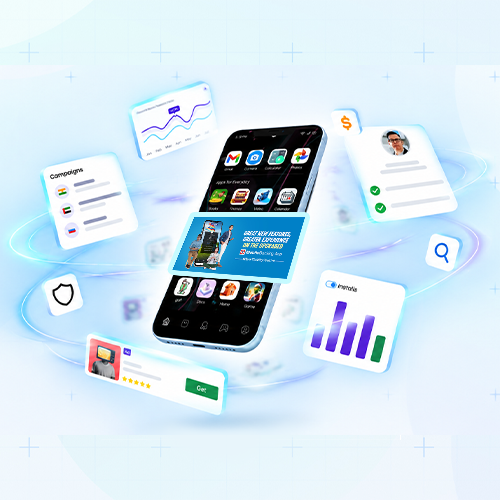
Applabs App Discovery Platform brings OEM and in-app discovery into a unified performance environment. The platform currently highlights 13 OEM and premium partners, 15K+ apps, and 500M+ reach, alongside OEM and in-app integrations.
For advertisers, the platform combines:
- Premium OEM & in-app inventory
- Precision-driven audience targeting
- Campaign setup, management and optimization
- Unified campaign control
- Performance analytics and reporting
- Fraud detection and brand-safe placements
- Viewability tracking
This allows app marketers to manage discovery campaigns across multiple environments while keeping performance measurement and optimization within a single framework. The broader opportunity is simple: help users discover the right app before the app becomes another forgotten icon on their home screen.
Case Studies: App Discovery
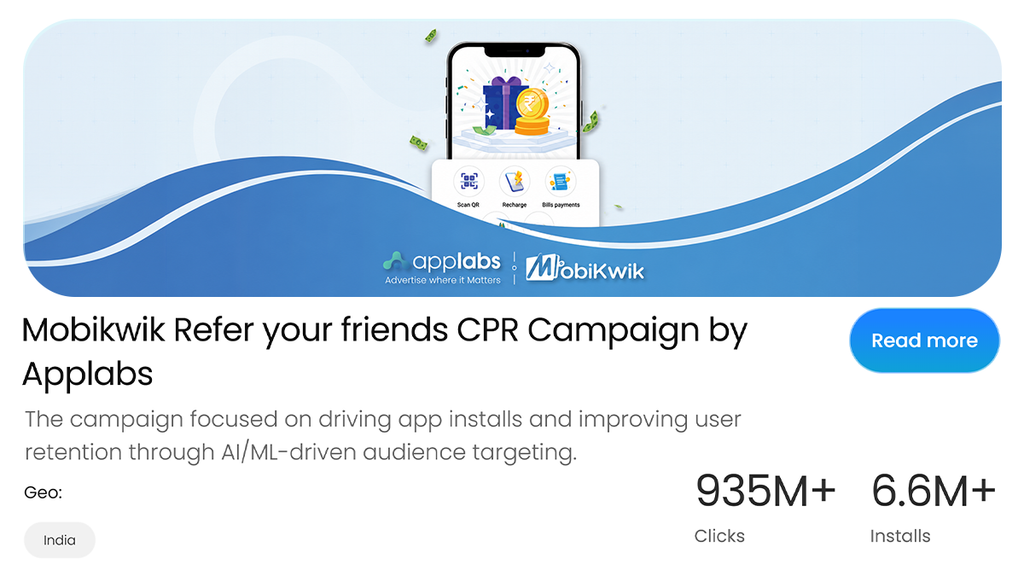
Mobikwik Refer your friends CPR Campaign
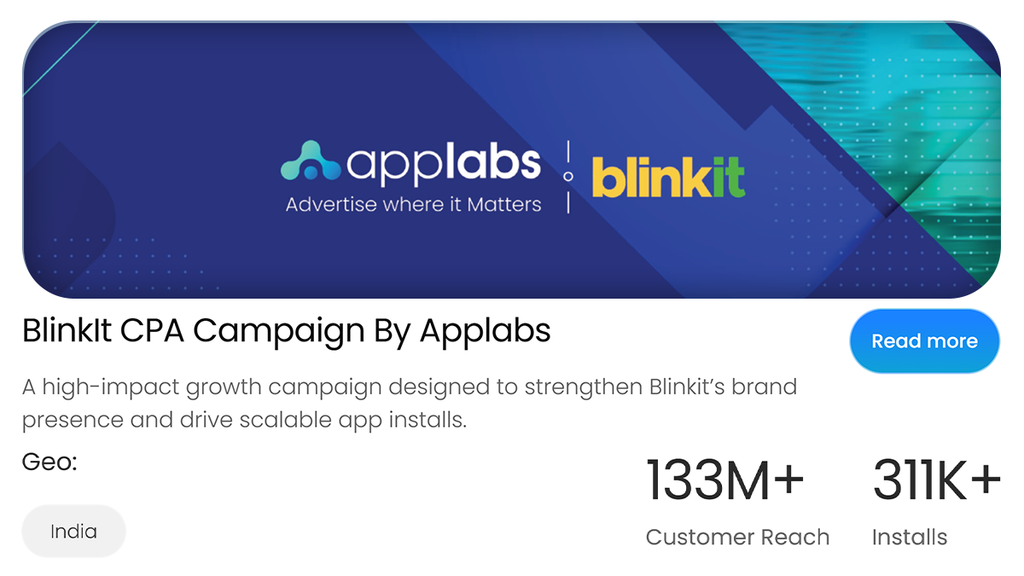
BlinkIt CPA Campaign By Applabs
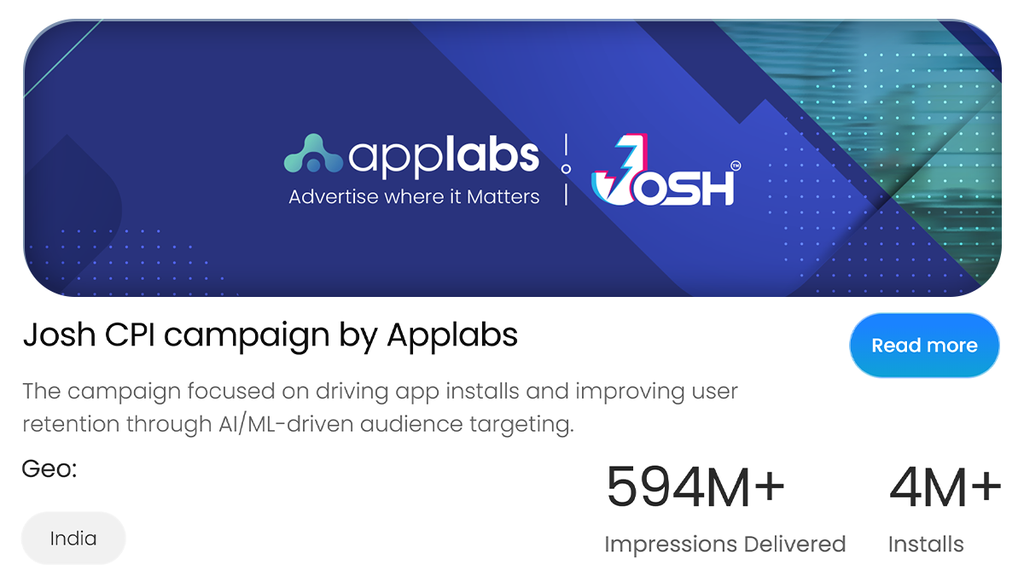
Josh CPI Campaign by Applabs
FAQs – App Discovery
What is app discovery in mobile marketing?
App discovery is the process of helping users encounter and explore a mobile app before they install it. It can happen through app store search, OEM recommendations, device-level placements, in-app advertising, social referrals, and other digital touchpoints.
How do users discover new mobile apps before searching the app store?
Users can discover apps through smartphone recommendations, OEM placements, native in-app ads, social content, referrals, and other contextual experiences. This means app discovery can happen before a user has formed a specific search query.
What is the difference between app discovery and app acquisition?
App discovery focuses on how users encounter and become interested in an app, while app acquisition focuses on converting that interest into measurable actions such as installs and registrations. Discovery is therefore an important part of the broader acquisition journey.
Is app discovery the same as App Store Optimization (ASO)?
No. ASO primarily improves an app’s visibility and conversion within app stores, while app discovery covers a wider set of touchpoints, including OEM environments, in-app placements, device recommendations, social referrals, and other channels.
How does OEM advertising help users discover mobile apps?
OEM advertising places app recommendations within native device environments such as setup experiences, smart folders, home-screen placements, and app discovery hubs. These placements allow advertisers to reach users directly through the devices they use every day.
What is the difference between OEM app discovery and in-app app discovery?
OEM app discovery reaches users through device-level environments controlled by smartphone manufacturers, while in-app discovery introduces apps within third-party mobile applications. Together, they provide two distinct ways to reach users outside traditional app store search.